Is Discord Safe for Kids? Inside the App Teens Love to Use

Discord is an online communication platform that has become incredibly popular with teen users. Discord allows them to join groups called “servers,” socialize, and have conversations with other users about shared interests, such as gaming. But is Discord safe for kids? Here is what parents need to know before allowing their teens to use it.
Key Takeaways
- Users on Discord can have conversations through text, voice chat, or video chat. Though originally focused on playing games, it is now used as a general social space for other groups with a wide variety of purposes.
- In the U.S., kids need to be at least 13 to create a Discord account. But even teens face dangers on the platform.
- Discord has taken many steps to limit potential risks for teens and offer control features for parents. However, these tools are limited.
- Parents need to understand the possible risks of using Discord, set clear rules for their teens, and learn how to use the platform’s Family Center. They can also use parental control tools like the Kids360 app to promote broader digital safety habits.
- Parents should stay vigilant regarding their teen’s Discord activity and recognize potential warning signs of unhealthy use.
Table of Contents
What Is Discord?
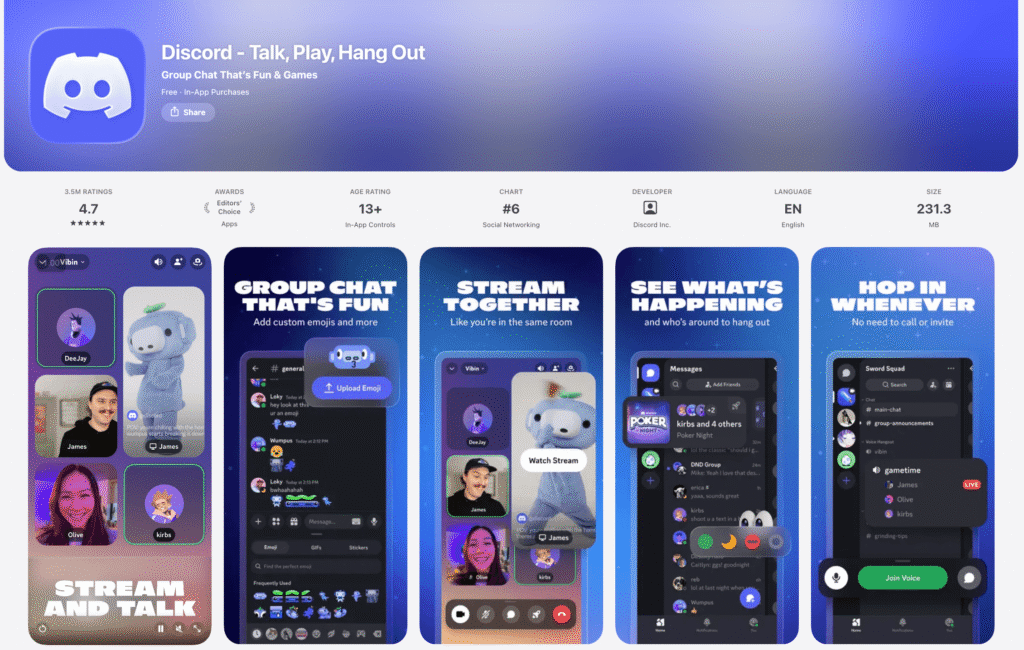
Most parents of teens have heard their kids discussing Discord but may not know exactly what it is. Discord is an online communication platform where users share messages through voice and video calls, text messaging, and media sharing. The platform is organized into communities called “servers,” which users create to discuss a topic or hobby, like a book club or gaming group.
Each server is made up of text channels and voice channels. Text channels are written chats that users can organize by topic. Voice channels, on the other hand, are made for voice chats or video chats. Rather than placing a call as you would on a phone line, Discord voice channels let users drop into group chats to talk with friends whenever they like. Users can see who is currently active in a voice channel when they join it. They can also communicate privately with one another with direct messages (DMs).
Discord was originally created for gamers to communicate with each other in real time while playing video games online. But it has since grown to include a massive number of different servers, from fan clubs to school study groups and everything in between.
Unlike other social media platforms where the focus is often on a “feed” where content is posted for followers, the appeal of Discord is that users can have whatever type of experience they want. For people looking to have conversations with big communities, there are large public Discord servers organized around common interests, such as popular video games. However, most Discord servers are small and available only by invitation, created so that friend groups can talk together online.
The platform requires kids to be at least 13 years old to sign up for an account and use Discord in the U.S. However, some other countries have set the age limit higher, and many critics of the platform argue that the U.S. age minimum is too low. Ultimately, it is up to parents to understand the risks of Discord and determine at what age their child is ready to join.
Is Discord Safe for Kids? Main Potential Risks Parents Should Know
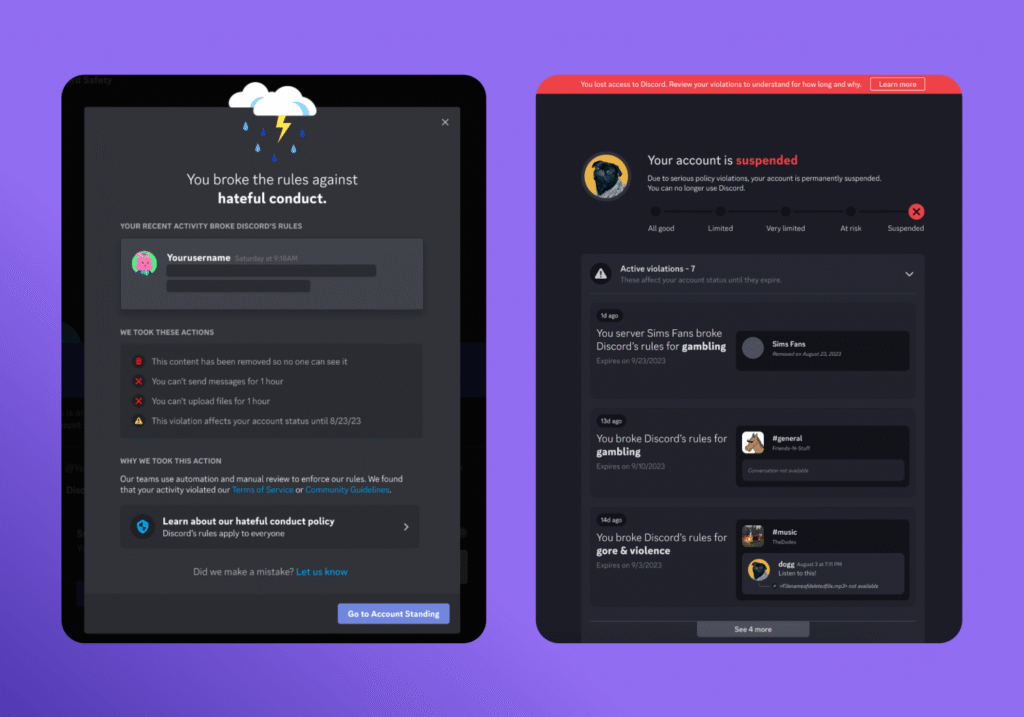
In March 2026, Discord made all accounts automatically default to “teen” account settings, which apply stronger content filters and restrict direct messages from strangers. However, these limits only go so far to protect young people. Parents should be aware of the following potential risks before deeming Discord safe for their children:
- Strangers and online predators: When users join the same public server, they can then message other server members directly. This can create opportunities for predators to approach young people and attempt to move conversations into private messages on Discord.
- Inappropriate content: Public Discord servers and direct messages can contain violent, mature, or graphic content.
- Cyberbullying: Discord’s Transparency Report shows that in only one year, the platform acted on over 235,000 harassment and bullying reports. Furthermore, over 125,000 accounts were suspended for inappropriate conduct with children. Voice channels may make some forms of harassment more difficult to document or review.
- Privacy risks: Discord has been targeted by cybercriminals who use data breaches, phishing links, and Trojans to access users’ information.
- Excessive screen time: Like any online temptation, Discord is yet another thing that can keep kids glued to their screens. Discord communities often focus on gaming, which can be especially addictive for kids. A systematic review published in BMJ Open found associations between excessive recreational screen time and poorer mental health, reduced sleep quality, and higher obesity risk among children and adolescents. As social media platforms like Discord become more engaging, it also becomes harder for parents to enforce healthy screen time limits.
The good news is that most of these risks can be reduced with the right combination of privacy settings, healthy screen time habits, and active parental involvement. The more your child understands how to use Discord safely, the more likely they are to enjoy its benefits while avoiding its biggest pitfalls.
Does Discord Have Parental Controls and Safety Features?
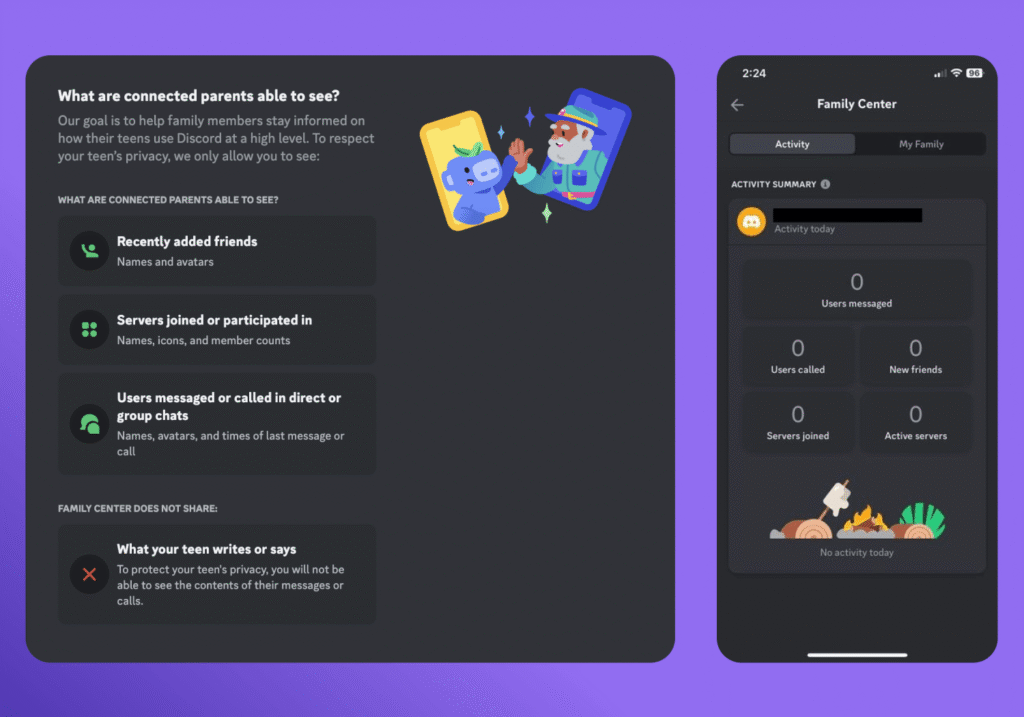
Discord’s team has taken steps in recent years to offer more safety features for teen users and limit their exposure to explicit content. Though not a substitute for active adult guidance, the platform’s parental control tools help to make Discord safer for kids.
Parents can begin in Discord’s free Family Center. From there, they can monitor their child’s recent behavior on the platform, including seeing how many direct messages they have sent, their activity on servers, and recently added friends.
To use Family Center, both the parent and child need Discord accounts. After linking the accounts, the parent can access Family Center insights and supervision features.
Parents can also enable additional safety settings on their child’s account to create a more age-appropriate experience. These include content filters that block explicit material, such as mature images, as well as options to limit direct messages and friend requests.
If you or your child encounters inappropriate or dangerous content, it can be reported to the Discord Trust and Safety Team, who can then take action to block users if necessary. Users can also block other users, immediately preventing all contact, including direct messages.
How Kids360 Can Help Make Discord Safer for Kids
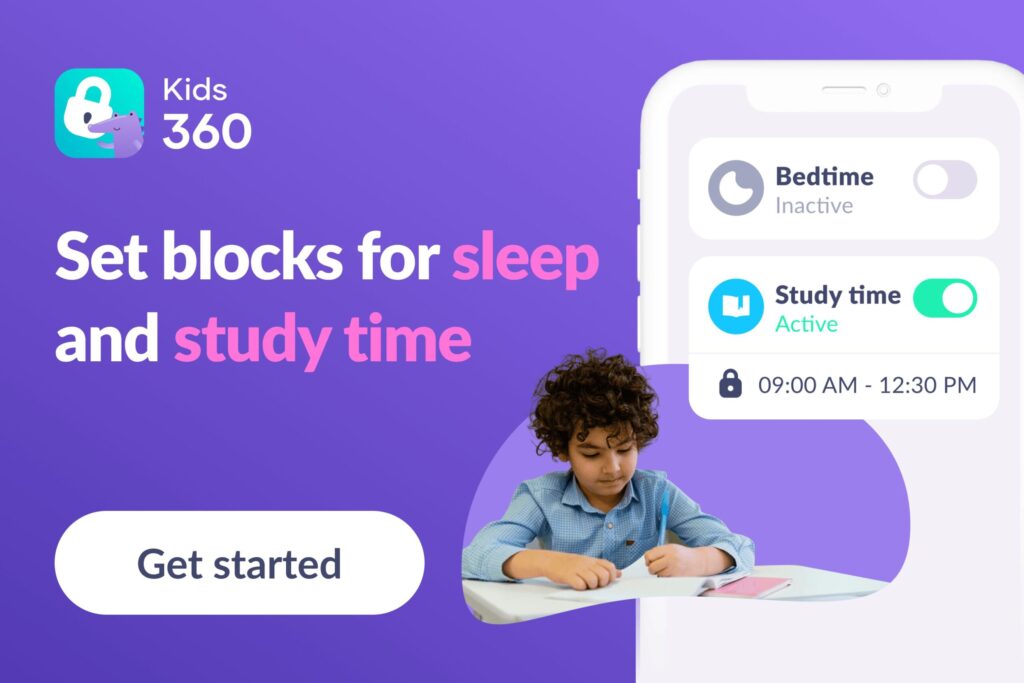
While Discord’s parental control tools are a helpful starting point, they only cover activity within the platform. An additional layer of protection can help parents manage screen time, app access, and online habits across their child’s entire device.
Kids360 gives families the tools to create consistent digital boundaries while encouraging healthier technology habits.
With Kids360, parents can:
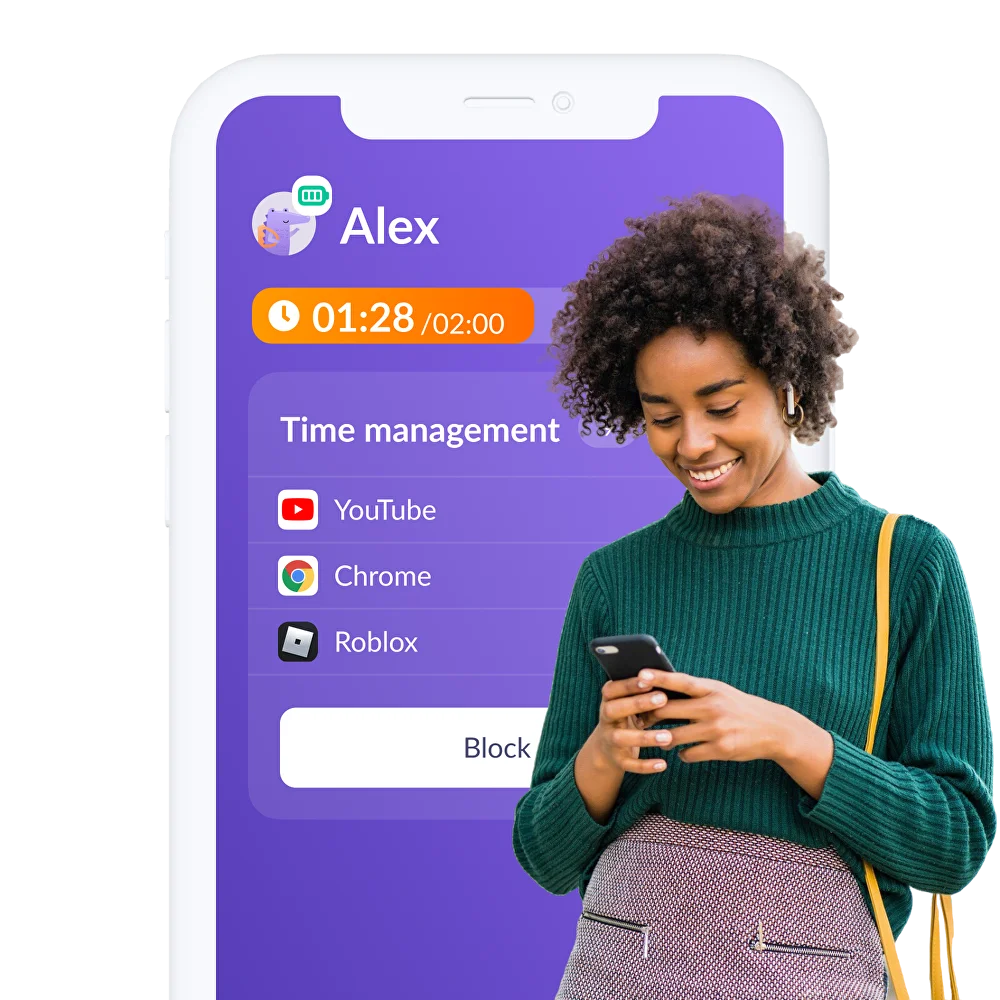
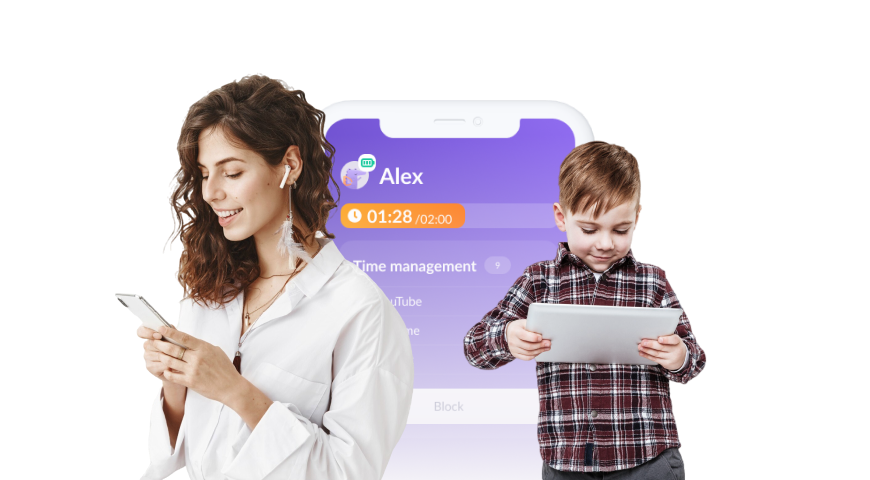
- Set daily limits for Discord: Choose how much time your child can spend on Discord each day to help prevent endless chatting and late-night scrolling.
- Monitor screen time statistics: View detailed reports on how your child uses their device, including which apps they spend the most time on and how their habits change over time.
- Block Discord instantly or set an access schedule: Pause Discord with one tap, block it completely, or create schedules that limit access during school hours, homework time, or bedtime.
- Protect sleep and reduce late-night chatting: Set healthy digital boundaries by limiting access to distracting apps when it’s time to rest.
- Support family rules across apps: Apply consistent screen time rules across Discord, gaming apps, social media, and other platforms your child uses.
- Use limits as a conversation starter: Instead of relying only on restrictions, screen time reports can help families discuss online habits and build trust around responsible technology use.
While Discord can be a fun way for kids to connect with friends and communities, healthy boundaries are key to making the experience safer. Combining Discord’s built-in safety tools with Kids360 gives parents a clearer picture of their child’s digital life and more flexibility to create rules that work for their family.
Ready to create healthier digital habits? Download Kids360 for free and take control of screen time, app access, and online safety—all from one simple app!
Discord Safety Rules Parents Can Create
To further enhance the available safety features, parents can also work with their children to establish age-appropriate ground rules surrounding Discord use. Though every parent needs to create the best guidelines for their kids’ unique circumstances, here are a few tips to get your family started:
- Only join age-appropriate communities. It is important that kids understand to always be honest about their age when creating any user account. This helps to limit access to adult content.
- Do not accept unknown friend requests. If kids limit their contacts only to friends they already know, they reduce the potential to engage in unsafe interactions. This also helps to keep suspicious strangers out of their friend groups’ private servers.
- Never share personal details. This should be among the first rules for Discord and online activity in general.
- Tell parents about uncomfortable interactions. It is critical to establish a supportive, non-judgmental environment so that kids feel secure coming to their parents to start difficult conversations. Building this trust is foundational and goes far beyond Discord or even the digital world.
- Put devices away during sleep. It is far too easy to allow device notifications and alerts to interrupt sleep, study time, and quality family time. Creating boundaries now helps to set kids up for healthier digital use in the future.
Signs Discord Use Is Becoming a Problem
Discord is just one of many platforms that kids can overuse. The rise of digital addiction can impact anyone, but kids’ brains are particularly vulnerable. During adolescence, the brain’s reward systems are highly sensitive, while areas responsible for self-control and decision-making are still developing. This can make it harder for young people to resist highly engaging digital experiences designed to keep them coming back.
Much like any other addiction, symptoms can be different for different people. However, parents can watch for common warning signs:
| Warning Sign | What Parents May Notice |
|---|---|
| Spending excessive time on Discord | Your child stays online for long periods, struggles to stop using the app, or chooses Discord over other activities |
| Sleep disruption | Late-night conversations, notifications, or reduced sleep caused by staying online |
| Mood changes | Irritability, frustration, or anger when asked to take a break from Discord |
| Ignoring responsibilities | Less attention to homework, chores, hobbies, or family time |
| Social withdrawal | Spending more time interacting online while losing interest in offline activities |
If a child is finding it very hard to get off Discord, or they begin neglecting other important areas of their lives, it can be cause for concern. When necessary, parents can engage professional help by reaching out to their child’s doctor or therapist.
So, is Discord safe for kids? The answer depends on how it is used. With the right privacy settings, age-appropriate boundaries, and regular conversations about online safety, Discord can be a positive way for teens to connect. However, built-in protections are only one part of keeping kids safe online. Combining Discord’s tools with active parental involvement and a device-level parental control app like Kids360 can help families create healthier digital habits.
Sources & References
- A Beginner’s Guide to Discord, Discord Help Center
- WHY IS DISCORD ASKING FOR MY BIRTHDAY, Discord Help Center
- Discord Family Center, Discord
- Discord Transparency Report March 2025 — March 2026, Discord
- Effects of screentime on the health and well-being of children and adolescents: a systematic review of reviews, BMJ, 2018
- Effects of internet and smartphone addiction on cognitive control in adolescents and young adults: A systematic review of fMRI studies, PubMed, 2024
- Experience-dependent neurodevelopment of self-regulation in adolescence, Developmental Cognitive Neuroscience, 2024