What Does It Mean When a Teen Calls Someone “Pookie”?

Teenagers are swapping traditional names for a list of viral labels, leaving parents feeling like they need a translator just to get through dinner. If your child has started calling a best friend, a sibling, or even the family dog their “pookie,” you might be wondering if you missed a major cultural moment.
While it may sound like some form of baby talk, the pookie meaning has deep roots in modern digital culture and reflects how the younger generation expresses closeness. Deciphering the terms used by teenagers is not just about keeping up with trends: it is an important step in staying involved in your child’s world and ensuring they are navigating social media platforms safely.
Key Takeaways
- “Pookie” is a popular Gen Z slang term used as a playful nickname or term of endearment for a partner, a best friend, or even a pet.
- The term is rooted in decades of use as a household nickname, but it saw a massive surge in popularity on social media platforms like TikTok recently.
- While usually affectionate, it is also used in a silly or joke context, such as the viral “pookie is a fart” trend that subverts the traditional sweet meaning.
- Parents can use tools like Kids360 to monitor app usage and search history to ensure their child stays safe while using the internet.
Contents:
What Pookie Means
The word “pookie” is a nickname that people use to address someone they care about with a high level of closeness. It is a classic term of endearment, much like “honey” or “sweetie,” but with a modern, silly twist that appeals to younger users. People often refer to their lover, partner, or close friend as their pookie to show affection in a way that feels less formal than traditional labels.
While the pookie meaning has recently exploded on social media platforms, the word itself is far from a modern invention. The origins of the term are actually quite old, having been heard in various private household settings for decades as a common nickname. Linguists and pop culture historians trace its roots back to several distinct areas:
- Early 20th Century Germany: One theory suggests it originated in 1900s Germany as an affectionate term for a child, likely derived from the word Püppchen, which means “little doll”.
- Southern U.S. and AAVE: In the United States, the word has deep roots in African American Vernacular English (AAVE), where it has served as a term of endearment for a close friend or lover since at least the 1930s.
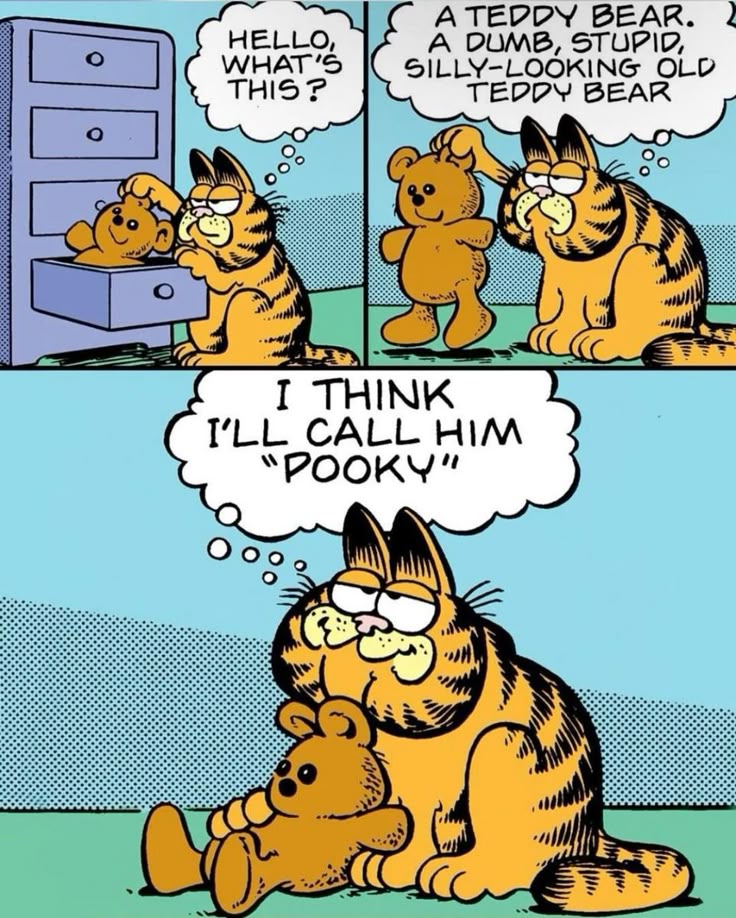
- Pop Culture Staples: Before it was a TikTok trend, “Pooky” was famously heard as the name of Garfield the Cat’s beloved teddy bear, cementing it as a phrase associated with closeness.
- Digital Definitions: Modern interpretations found on Urban Dictionary now highlight its evolution into a staple of Gen Z slang used throughout high school and college campuses.
Despite these historical roots, its popularity exploded on the internet due to music references and viral creators who began using it to address their audience or their friends. It has transformed from a simple relationship label into a broader social media phenomenon used to connect with a community.
For parents looking for tips on navigating this slang, understanding these origins shows that the usage is often just a silly way to show love in the modern world.
Pookie in Everyday Conversations
Hearing the word “pookie” usually signals a high level of closeness between two people. Instead of simply using the individual’s name, a girl may text her close friend to call her “pookie” as a way to strengthen their private bond. Honestly, the usage of the term is incredibly flexible: it often pops up in a relationship where a partner wants a silly or lighthearted nickname to show affection.
This is how the term shows up in daily chats and interactions:
- The School Setting: A student might use it when calling out to a friend in the school hallway to grab their attention in a cute way. For example, a teenager might shout, “Hey, pookie, wait for me!” to signify they are part of the same tight-knit group. Another example: “Come on, pookie, don’t leave me behind!”
- Family and Pets: A parent might use the phrase as a sweet nickname for their child or even the family dog. Calling a small pet “pookie” while they are playing is a common way to express love within the home. For instance: “Good boy, pookie! Who’s a good boy?” or “Time for bed, pookie, let’s get you tucked in!”
- The Playful “Cringe” Joke: In some conversations, friends use the term specifically because it feels slightly “cringe” or annoying. They might use it while spending time together just to elicit a laugh, turning the term of endearment into a meta-joke. Example quotes: “Ugh, stop calling me pookie, it’s so cringe!” or “You’re my pookie, deal with it!”
Whether someone is using it as a sincere expression of love or just a funny way to refer to a person they find endearing, the word always highlights a sense of closeness.
Pookie on Social Media Platforms
The term appears everywhere from Instagram reels to TikTok video captions, and comes paired with specific emojis, like the sparkling heart or the puppy eyes, to emphasize affection. For example:
- ‘Miss you, pookie 💖’
- ‘Come on, pookie 🥺, don’t leave me!’
Slang and the meaning of different slang words change frequently, and “pookie” has also become part of a joke. For example, some users started a trend where they jokingly refer to a “fart” as a pookie, which is a silly shift that many parents might find confusing when they first hear it.
Famous Examples of Pookie in Pop Culture
The term has been heard in various music tracks and seen in viral video clips featuring character interactions. One of the most famous examples is the way TikTok creators refer to their favorite celebrities as “pookie” to show collective affection. This usage shows how the word has evolved from a private relationship label into a way for an entire community to show love for a public figure.
Here are a few ways “pookie” has popped up online and gone viral:
- TikTok’s “Pookie and Jett“: This couple began sharing their outfits of the day (OOTD), where Jett would frequently refer to his wife as “pookie” in nearly every video.
- Celebrity Fans: It is now common to see fans flood the comments of stars like Selena Gomez or Harry Styles, calling them “pookie” to express closeness even from a distance.
- Music and Lyrics: The word has begun to appear in song lyrics across various genres, often used as a nickname for a lover or partner they love deeply.
These examples highlight how the term bridges the space between private conversations and the global world of social media platforms.
How Kids360 Helps You Navigate Digital Slang
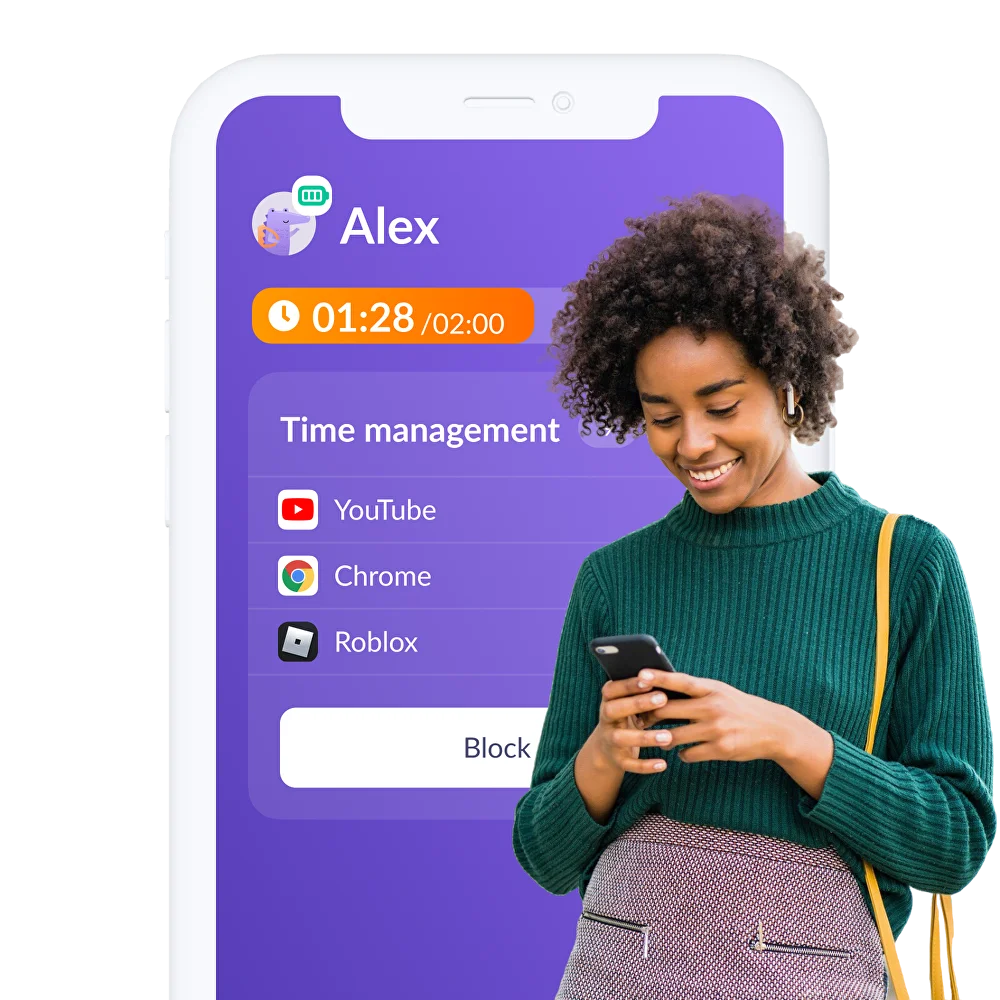
Understanding the slang world of social media is much easier when you have a learning tool to monitor your child’s digital space. The Kids360 app should feel like a natural continuation of your discussion about slang and safety. It bridges the gap between digital restriction and parental awareness by providing a proactive suite of features.
Key advantages for parents:
- App & Screen Usage Awareness: Understand exactly which apps your kids use most, whether it is TikTok, Instagram, or various messaging apps.
- Time & Activity Reports: See detailed reports on how long teens spend online each day to identify potential excessive screen time.
- Interest & Exposure Monitoring: Track the types of websites your child visits and videos they watch, including content related to slang, viral trends, or potentially risky topics. This lets you understand what they are encountering online and have informed conversations before concerns arise.
- Safe Browsing & Content Control: Restrict risky websites and inappropriate content while still allowing your child the independence to explore their interests.
- Real-Time Location Tracking: Maintain peace of mind with accurate real-time tracking for when your teens go out or meet friends at school or after-school activities.
Уou can download Kids360 to begin monitoring search history and app habits immediately! This allows you to stay informed every time they share a new expression or engage with a viral post.
Variations and Synonyms of Pookie
While pookie is the trend of the moment, it shares space with other slang terms. Depending on the relationship, a person might use synonyms like “bae,” “bestie,” or “boo”. However, pookie remains unique because it carries a more silly and playful energy than some of the older origins of internet slang.
Reclaiming Connection in a Digital World
Understanding the pookie meaning is a small but helpful part of being an involved parent in 2026. By combining an open address with your child and the technical support of Kids360, you can ensure that slang remains a fun way to connect with their friends, instead of unintended or intended bullying and name-calling.
Ready to stay informed and keep your child safe? Download Kids360 today, follow the simple setup instructions, and experience the peace of mind that comes with knowing your child is safe, both online and off.