“Sneaky Link” Meaning Explained for Parents of Teens

Teen slang has always evolved quickly. However, platforms like TikTok and Snapchat have accelerated this process, making it feel like new words appear almost every day.
“Sneaky link” is an example of a new slang term that could be confusing for many parents. Here is what parents need to know if they see this phrase come up in their child’s messages or conversations.
Key Takeaways
- “Sneaky link” is a slang term for a hidden intimate relationship. Unlike similar terms, such as “friends with benefits” or “situationship,” the whole point of a sneaky link is that meetups are done on the sly.
- This slang word became popular largely thanks to TikTok videos related to the song “Sneaky Link.” The phrase often shows up in digital communication, such as direct messages and social media platforms.
- Seeing a teen use the term sneaky link is not cause for concern on its own. However, it could be a red flag worth calmly paying attention to.
- The Kids360 parental control app can help parents monitor their teens’ online footprint, enabling clear communication and safe boundaries.
Contents
What Does Sneaky Link Mean?
Sneaky link is an internet slang term used to describe a secret romantic or sexual relationship. According to Urban Dictionary, the term “sneaky link” is a blend of the word “sneaky” (meaning covert or hidden) and “link” (slang for meeting up or spending time together).
The sneaky link phrase originated in the early 2020s and skyrocketed in popularity when hip-hop artist HXLLYWOOD released a track titled “Sneaky Link.” The song became a viral trend on social media, where TikTok users filmed videos admitting to their secret hookups. The slang term became even more mainstream after a 2025 reality show aired on Netflix titled “Sneaky Links: Dating After Dark.”
In everyday use, a “sneaky link” usually refers to a relationship that is kept private. People involved may choose not to share it with friends or family, so meetings often take place discreetly or at times when they are less likely to be noticed.
The term is most commonly used as a noun, but it can also appear in informal verb form (“We sneaky linked last night”). In some cases, sneaky links may involve situations where one person is already in a committed relationship, although this is not always the case. The secrecy is often connected to avoiding questions, judgment, or complications.
In addition to the secrecy factor, most sneaky links are purely physical, not rooted in deep connections or feelings. There is usually no intention for sneaky links to evolve into committed public relationships. Sneaky links are mostly just casual flings, centered on attraction, impulsivity, and convenience.
However, the dynamic can become emotionally complicated if both people do not share the same expectations. One person may develop feelings while the other prefers to keep things informal or private. Many advice videos on social media offer emotional and practical safety considerations for people in sneaky link relationships, for example:
Moreover, sneaky links should not be confused with other slang terms like “friends with benefits” (FWB), which refers to a low-key relationship where two people are intimate but not secretive. Though these relationships aren’t serious, other friends would usually know about them. Sneaky links are also different from a “situationship,” which describes people who are not exactly dating, but whose relationship status and feelings are ambiguous.
Where Teens Use the Sneaky Link Slang Term: Examples of Use
Apps and social media play a role in nearly all of teens’ interactions these days. This is certainly the case with online dating, where talking and casual flirting through direct messages are the norm for young adults. Therefore, the term sneaky link often shows up where teens are talking about dating or relationships online: on TikTok, Snapchat, X (formerly Twitter), and other messaging apps.
Since the whole point of a sneaky link relationship is that it is secret, the term comes up frequently in private messages and texts. These messages might be exchanged between the two people in the sneaky link relationship, or perhaps with a trusted friend or family member who is involved in arranging the discreet meetups.
At the same time, the phrase is no longer limited to private slang. Teens may also encounter it in public spaces online—in viral TikTok videos, memes, or discussions referencing the popular song “Sneaky Link” or the reality show “Sneaky Links: Dating After Dark.” In other words, the term has moved from niche internet slang into broader pop culture.
To better understand how the phrase is used in real life, here are a few common contexts where teens might come across it:
- On social media, it often appears in humorous or ironic posts:
- “POV: When you gotta hide from your sneaky link in public.”
- “Feels wrong that everyone got a sneaky link but me.”
- In private messages or texts, it can be used more directly:
- “Hey, can’t come over tonight. Meeting my sneaky link.”
- “Do you think I’m just someone’s sneaky link?”
- In everyday conversations, teens might use it when asking for advice or describing a situation:
- “Should I end things with my sneaky link? It’s getting complicated.”
- “We’re not really dating—it’s more of a sneaky link situation.”
- It can also appear in more general talk about secret relationships:
- “I’m not seeing anyone seriously right now, just a sneaky link.”
- “They’ve been sneaky linking for a while.”
- Even the verb form exists in informal usage, though it is less common:
- “We sneaky linked a few times last year.”
Should Parents Worry About Sneaky Link?
If you hear your teen refer to a sneaky link or see it in their text messages or on social media, it’s not an immediate cause for concern. Using the term doesn’t necessarily mean that they are sneakily linked with another person themselves or are involved in any sexual activity.
Sneaky link slang is now a common term, and teens are always picking up new phrases online. They could simply be using it to talk about something they saw in social media videos or elsewhere in pop culture. They could also be talking about the “Sneaky Link” song or something involved with the reality TV show.
However, referencing the sneaky link slang term could be a sign worth simply paying closer attention to. If teens are engaging in secret meetups, there would usually be other red flags as well. For instance, they could become super secretive regarding their phone use, perhaps changing passwords, sneaking away to talk, or hiding their screen. In short, having a sneaky link would require them to act, well, sneaky.
You would also want to pay attention to things like sudden mood changes or shifts in a teen’s social life. They might be overly vague or dishonest about a person they are making plans with. You might also notice new habits, like a lot more late-night texting or arranging meetups at odd hours.
These are all generally concerning behaviors that should always be on a parent’s radar. Individually, they’re not reasons to jump to conclusions. However, if they are part of a pattern of new or alarming behavior, parents should take notice and take the lead in communicating with their teen.
How Parents Can Stay Aware of Digital Trends Without Constant Conflict
The older teens get, the more their independence and privacy matter. Allowing them to develop their autonomy is one of the essential challenges of leading them toward responsible, productive adulthood. Parents must strike a delicate balance between giving kids the freedom to grow and keeping them safe. The quickly evolving digital world makes this balance harder for parents to maintain with every passing year.
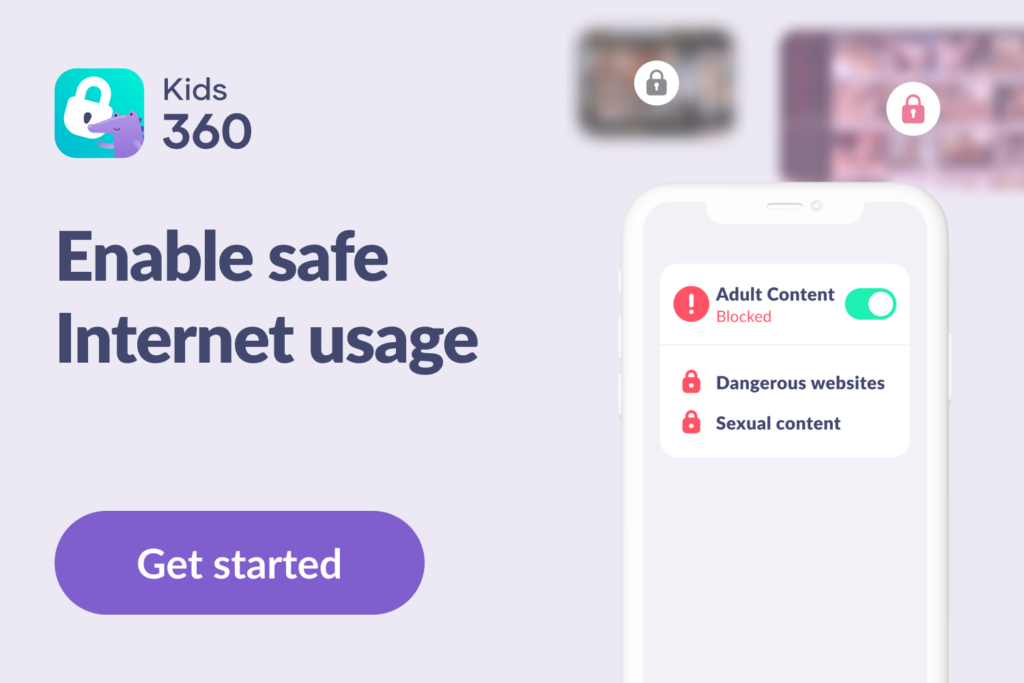
Luckily, there are tools that can help monitor and manage kids’ phone use. The Kids360 app offers parents a view into their kids’ online world, making it easier to understand slang like “sneaky link” and how kids are using it in their own lives.
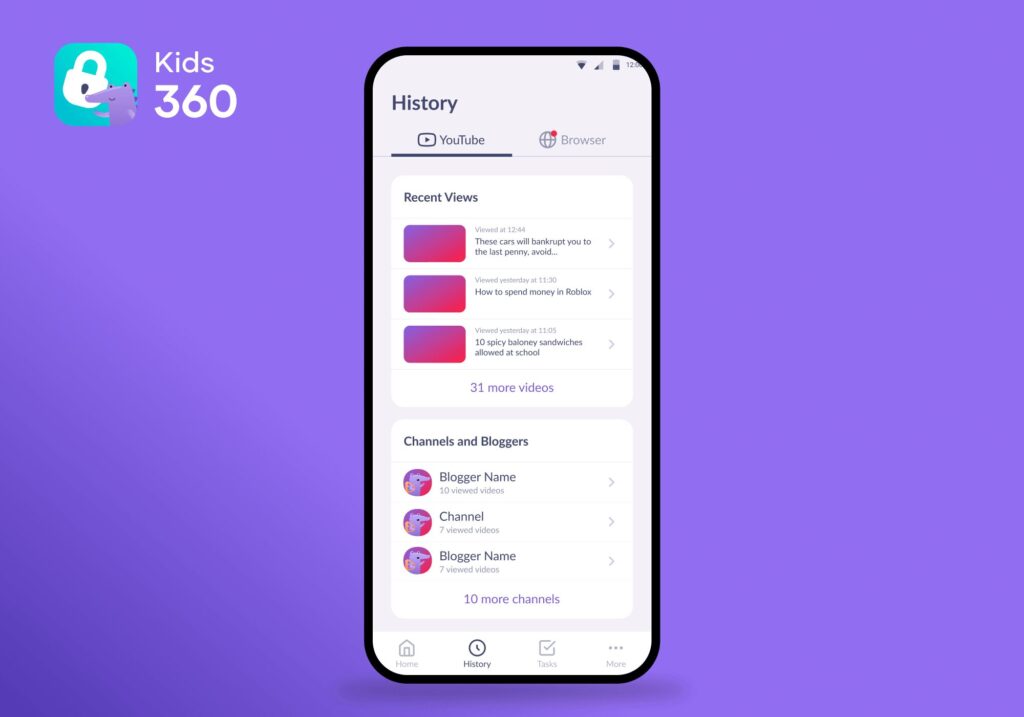
The Kids360 app provides greater parental control since parents can view their teens’ search history and the YouTube videos they have watched. This makes it possible for parents to keep up with their children’s interests while making sure that they are not exposed to risky content. Parents can then open healthy conversations about topics like sneaky links.
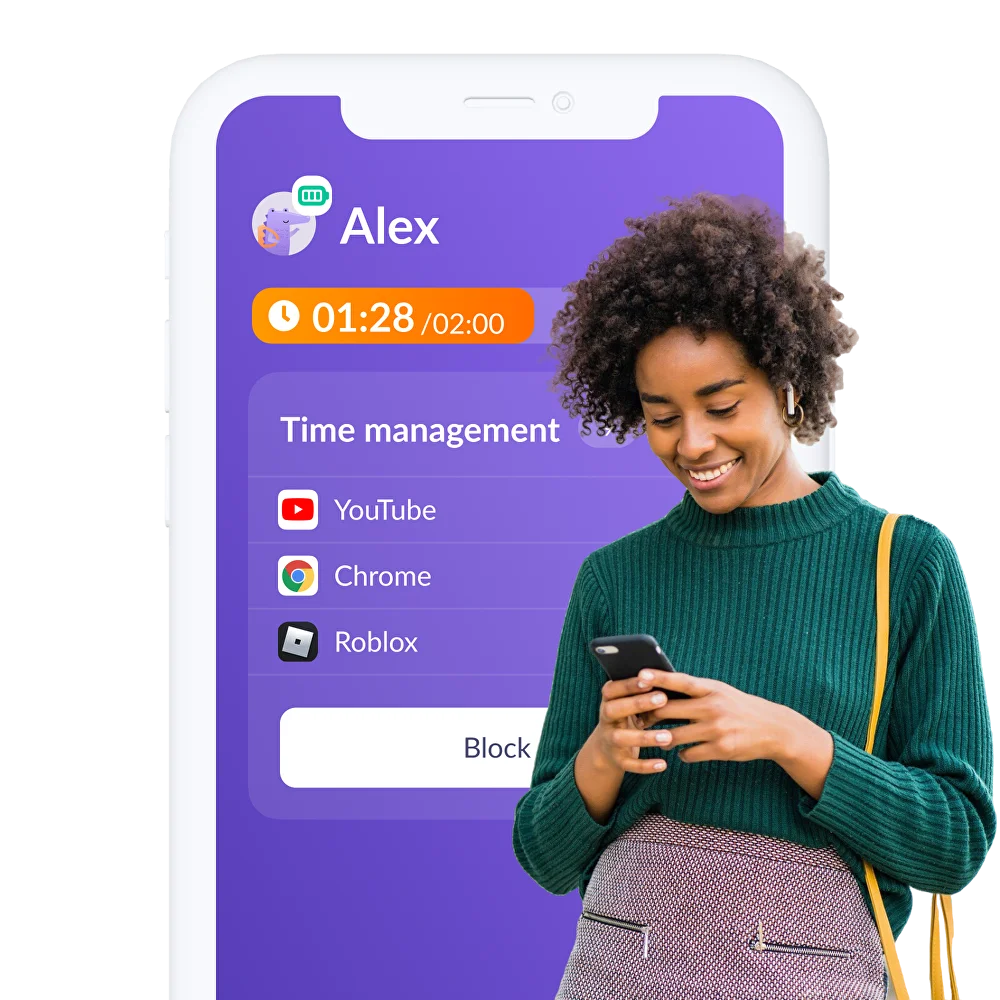
It is also important for parents to know how much time kids spend online and which apps they use most. The Kids360 parental dashboard brings all this information together at a glance. Parents can choose to limit overall device use or block specific apps if needed.

Perhaps best of all, Kids360 makes online boundaries automatic for both kids and parents. There is no need to constantly talk to kids about their limits or negotiate parental control rules. The app gives parents the tools they need for safety, while kids still have their freedom to communicate and have fun within that framework.
The app also offers real-world safety features, such as GPS tracking. This can be important if you find out your teen is engaging in risky behavior or situations involving sneaky links that raise concern. Kids360 provides accurate real-time location tracking, as well as battery level monitoring, so parents know when a device is about to run out of charge. It also includes a Loud Signal feature that allows parents to send a sound alert to a child’s phone even if it is on silent.
To take advantage of all the benefits and unique features of Kids360, parents can try it for free. The app is available on Google Play, the App Store, and other platforms.
The Last (Slang) Word
In the end, encountering terms like sneaky link is not, on its own, a reason for concern. Understanding teen slang is just one of many challenges parents face when trying to stay connected with their children in the digital age. What matters more is context — how and why these terms are being used, and what they may reflect about a teen’s online interactions.
Once parents understand how a term like sneaky link fits into everyday communication, it becomes easier to approach such topics with openness rather than confusion. This can help create more natural, non-judgmental conversations about relationships and online behavior.
Tools like Kids360 can support parents in this process by providing insight into their teen’s digital activity and helping them stay informed about emerging slang and online trends, while maintaining a safe and balanced online environment.
Download Kids360 to stay connected with your child’s digital world and support their online safety with confidence.