Online Predators: Warning Signs and Safety Tips for Parents


The risks children face online are often more common than parents expect. Recent national youth data shows that around 40% of minors have been approached online by someone attempting to befriend or manipulate them. For teenage girls, this number rises to 47%.
This targeted contact crosses into explicit boundaries far earlier than most households assume. A groundbreaking Thorn study on youth grooming experiences found that 40% of minors have experienced cold solicitations for explicit photos while using everyday apps, including 28% of children aged 9 to 12.
True safety is not built on ignoring these numbers; it is built on digital literacy and smart infrastructure. While adult online predators deploy deliberate, manipulative strategies to target young people, transforming a home into a tech-free prison completely backfires. Real protection happens when families understand exactly how digital grooming operates, swap emotional panic for cool-headed prevention, and use proactive tools like Kids360 to establish clear, automated boundaries.
Key Takeaways
- Online predators are deceptive adults who use false profiles to match interests with minors across mainstream apps and games.
- Data shows 40% of minors, and 47% of teenage girls, have faced direct manipulation attempts from unknown individuals online.
- An objective understanding of digital threats empowers parents far better than defensive, reactionary tech bans.
- Online grooming is a calculated behavioral strategy that can be identified early through distinct digital indicators.
- Kids360 helps parents protect children by tracking search history, logging YouTube watch history, monitoring app statistics, and automatically blocking high-risk platforms during late-night hours.
Contents
What Are Online Predators?
To keep a child online genuinely safe, parents need to drop the clinical textbook talk and look at the plain facts. Stripping away the heavy tech jargon reveals a simple, sobering truth: online predators are just manipulative adults using apps and games to target young people. These individuals create completely fake profiles to blend right into virtual spaces built for minors.
There is a massive difference between dangerous internet predators and an ordinary online stranger. A stranger is just an unknown person scrolling the same internet page. They have zero interest in your family and no hidden desire to build a private relationship. Sneaky child predators, on the other hand, actively hunt for a direct connection with one specific goal: to cause real-world harm.
These individuals do not pick targets at random. Instead, they specifically look for vulnerable individuals, like a child dealing with school loneliness/bullying, low confidence, or a difficult time with family. They spot these potential victims by digging through different posts’ comment sections, watching hashtags, and tracking casual profiles across social spaces. They want to find a lonely youth who reacts quickly to flattering compliments or quick digital gifts.
The moment they find a target, they figure out exactly how to exploit that youth’s emotional needs. They use that leverage to form an intense, secret bond that slowly cuts the youth off from real-world friends and family. Age means absolutely nothing to them; they easily change their words, hobbies, and slang to pass themselves off as teenage peers. It is a slow, calculated process that turns a simple text conversation into a direct trap.
What Is Online Grooming?
The main tactic used by online perpetrators is a process called online grooming (or cyber grooming). Instead of jumping straight into anything dangerous, an individual takes their time building a close, trusted relationship with a child. It usually starts out entirely normal with basic everyday chats, slowly transitions into deep emotional support, and then quietly moves toward unmonitored sexual conversations.
This isn’t a rare issue; it is a massive, daily challenge for global safety groups. According to real-world data from the National Center for Missing & Exploited Children (NCMEC), online enticement reports are skyrocketing.
In 2025 alone, the National Center’s CyberTipline flagged a record 1.4 million reports of people targeting kids for online sexual acts. That is a huge 156% jump from the year before, mostly because more kids have private phone access and predators are using automated financial blackmail scams.
During this slow process, offenders drop inappropriate topics into the chat very gradually. They use subtle sexual language to see how the youth react to boundary-crossing comments without scaring them off. Before long, this leads to requests for explicit photos, which the predator saves and keeps. Once they have those pictures, the friendly act vanishes, and they shift directly into threats, coercion, or blackmail.
This manipulation spirals fast into full-on child sexual exploitation. Predators use their leverage to force frightened victims into making their own child sexual abuse material, which federal law classifies as illegal child pornography. What began as a totally casual, friendly chat can end up as long-term online sexual exploitation, trapping a youth in a heavy cycle of fear and complete secrecy.
Where Children Are Most Likely to Encounter Online Predators
To protect kids, parents need to know exactly which online platforms host these daily interactions. Modern internet predators don’t hide in obscure, dark corners of the web. They actively hang out on the exact same mainstream apps and games where millions of young people gather every day.
Social Media Sites
Public social networks are one of the most common environments where children may encounter unwanted contact. Their recommendation systems are designed to connect users — including people outside a child’s immediate circle. According to a Parents.com report on youth online interactions, 1 in 3 boys aged 9–12 have experienced unwanted sexualised contact online.
In many cases, fake or misleading accounts are used to approach minors. These profiles often monitor public activity, follow friend networks, and send direct messages that appear harmless at first—sometimes posing as peers from the same school or local community.
The legal reality of these platform vulnerabilities was highlighted by a New Mexico Attorney General Meta lawsuit and an extensive Wall Street Journal investigation on Meta algorithms. The litigation revealed that algorithmic recommendation setups on Instagram actively connected adult accounts with minors, allowing sophisticated networks to track down and target young people via direct messaging features.
Immersive Gaming Platforms
Popular gaming platforms have quickly become a favorite shortcut for establishing a first connection with a child. Adults log into multiplayer titles, join local teams, and talk directly to youth through headset audio or open text fields. They easily get around parental eyes by gifting free game currency, trading rare character modifications, or sharing Discord links to move the chat off the game’s official server.
Security experts have warned that modern bad actors are evolving their tactics inside these virtual lobbies. A recent CBS News report on video game tracking detailed how individuals now deploy artificial intelligence tools inside popular multiplayer games. These AI programs monitor open audio chat, automatically analyze a child’s voice to determine their approximate age, and instantly alert the predator when a vulnerable target is online.
Instant Messaging and Chat Apps
Once a basic connection is established on a public game or social platform, harmful actors often attempt to move the conversation into private channels. According to a comprehensive Thorn study on youth grooming encounters, nearly 2 in 3 minors (65%) reported being asked to shift from a public chat to a private conversation on a different platform.
Instant messaging apps are often used at this stage because they operate outside the visibility of public moderation systems. This allows conversations to become more private and, in some cases, to bypass standard safety filters. Features such as disappearing messages or encrypted chats can make it harder for harmful interactions to be detected or reported in real time.
The dangers of unmonitored private communication apps have triggered significant legal scrutiny. A major Times report on Snapchat grooming claims highlighted lawsuits accusing the app of failing to block financial sextortion loops. Similarly, a Live 5 News report on Roblox and Discord grooming detailed a lawsuit where an 11-year-old was targeted inside a gaming lobby and quickly moved to an unmonitored private platform where the relationship turned highly coercive.
Livestreaming Spaces
Video-sharing apps let young people broadcast live footage straight from their bedrooms to a global audience. Predators join these open streams to watch a child’s real-time surroundings, drop attention-grabbing tips, and manipulate them into performing specific sexual acts on camera. They use these open broadcasts to piece together private details, like school schedules or home locations, just by listening to casual chatter.
Tech platforms face mounting pressure over how their live video features expose youth to financial and physical risks. A recent Reuters report on the TikTok livestream lawsuit outlined state legal actions claiming the platform’s features actively exploited children. Additionally, a Wired investigation on Twitch streaming risks revealed how thousands of predatory accounts utilize public gaming streams to track children and record live broadcast footage for illicit distribution network boards.
Warning Signs That a Child May Be Targeted
Spotting the warning signs that a child is being targeted doesn’t require parents to become corporate investigators. It just takes a bit of steady attention to small, sudden changes in everyday routines. Because predators rely entirely on keeping things a secret, the clues usually show up as quick shifts in how a child acts and how they handle their phone.
Behavioral and Emotional Shifts at Home
A major clue is when a kid suddenly stops acting like themselves around the house. Parents might notice a massive strain on regular family relationships, like a child completely isolating themselves or snapping with unprovoked anger during a simple conversation. They might become fiercely protective of their bedroom door, stop hanging out with their real-world friends, and skip out on normal family dinners.
Alongside these noticeable actions, specific emotional changes frequently signal that a youth is struggling under the weight of an online manipulator’s influence:
- Sudden, intense mood swings: Rapid transitions from extreme happiness and excitement, often right after receiving a text, to deep withdrawal and irritability when away from the screen.
- Unexplained anxiety and panic: Marked nervousness or fear when their phone rings, buzzes, or when a parent simply asks to look at their active applications.
- Signs of depression and low self-esteem: Expressing sudden feelings of worthlessness, shame, or persistent sadness, which predators often feed on to deepen the child’s isolation.
- Extreme fear of device loss: Reacting with disproportionate panic or distress if a parent threatens to limit screen hours, driven by the fear of losing touch with the individual or facing blackmail consequences.
Digital Indicators on the Device
How a child physically handles their phone can tell you a lot. If they aggressively angle the screen away or lock the device the second an adult walks into the room, it is worth paying attention to. Other clear red flags include:
- Finding hidden vault apps or secondary, fake profiles on their device.
- A sudden, massive jump in their overall time online, particularly late at night.
- Random packages arriving in the mail with tech, clothes, or gifts from a person you don’t know.
- Stumbling across saved folders filled with explicit photos or highly sexually explicit messages.
How Kids360 Helps Spot the Red Flags
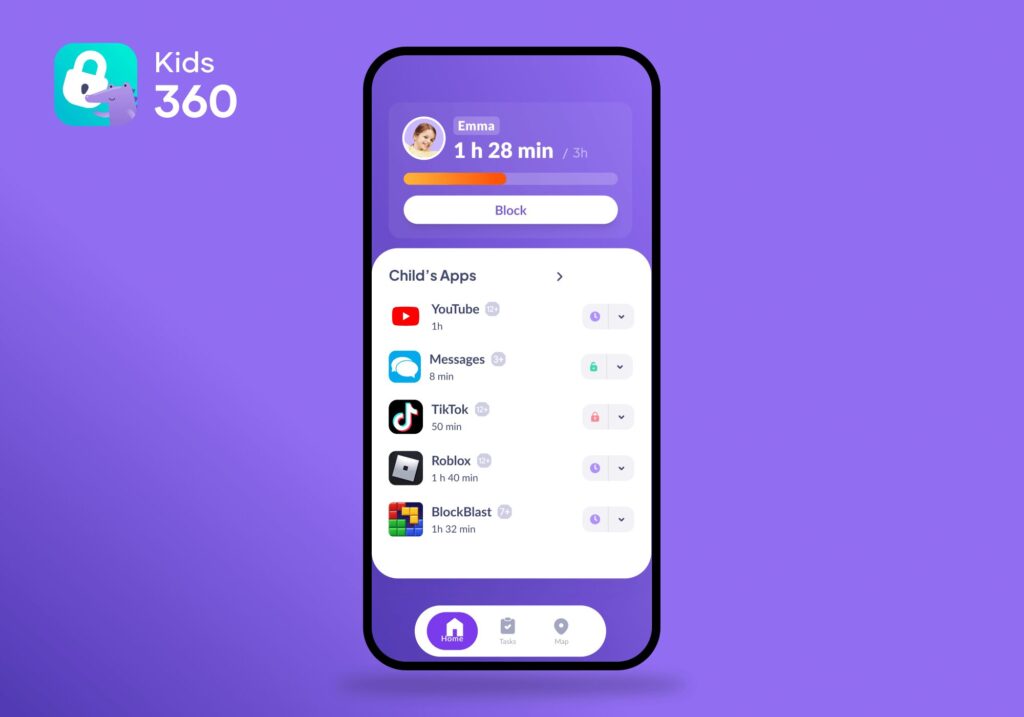
Parents don’t have to guess or resort to invasive spying to catch these changes. The Kids360 app is built to bring these patterns to light automatically. By looking at the dashboard’s detailed app statistics, parents can see if a child is suddenly spending hours on a random, unverified chat platform.
The software tracks overall app usage timelines cleanly, logging total minutes spent on individual platforms throughout the day so parents can flag if a device is buzzing with suspicious activity. It also lets parents keep tabs on digital footprints by reviewing search history and YouTube watch history, making it simple to spot if an anonymous adult is pushing a child toward a dangerous situation before the behavior turns into a deeper problem.
How Parents Can Protect Children from Online Predators
Securing a modern household requires moving away from reactive panic and adopting continuous digital habits. Keeping vulnerable children safe demands a layered safety strategy that combines active tech boundaries with open communication loops.
1. Establish Open, Non-Judgmental Communication
The single most effective tool for long-term prevention is building an environment where a child feels completely safe reporting an uncomfortable interaction. Parents must teach their children what unsafe contact looks like early on, framing it clearly based on their developmental age. Explain that if an online friend asks them to hide an interaction, share an image, or discuss sexual activities, it is a definitive boundary violation that should be reported immediately.
2. Deploy the Kids360 Parental Control App
Technology should not replace parenting — but it can help create safer digital boundaries when used thoughtfully. A parental control app like Kids360 can support families by making everyday digital risks more visible and manageable.
Instead of “watching everything,” the goal is to reduce exposure to high-risk spaces and help parents respond early when something looks off.
Key helpful features include:
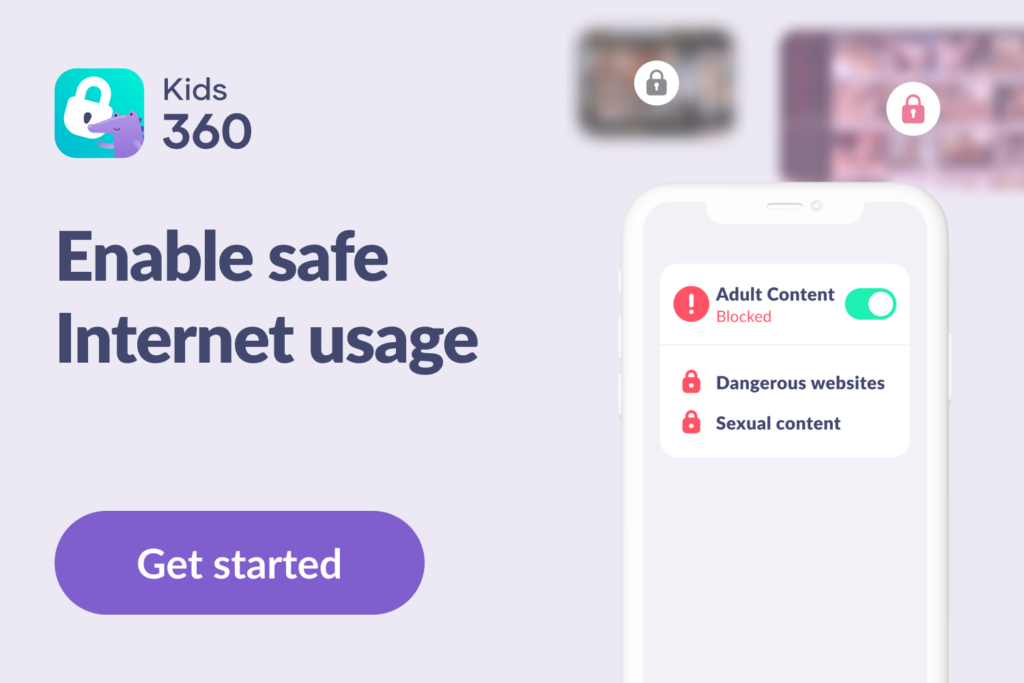
- Blocking high-risk apps and communication channels. Parents can restrict access to unmoderated chat rooms, unknown social apps, dating-style platforms, and other spaces where strangers can easily contact children.
- Screen time limits and night-time restrictions. You can set daily usage boundaries and automatically block device access during late evening and night hours, when risky conversations are more likely to happen.
- Visibility into app, browsing, and viewing activity patterns. Basic usage insights help parents understand not only which apps are being used, but also broader digital behavior — including browser search history and YouTube watch activity, which can sometimes reveal early exposure to unsafe content or unwanted contact.
- Device-level safety controls across multiple apps. Instead of managing each platform separately, parents can apply consistent rules across the whole device environment, reducing gaps between apps, browsers, and video platforms.
Used this way, parental controls are not about surveillance—they are about reducing exposure to unpredictable contact and creating healthier digital rhythms.
If you want to add a simple safety layer without overwhelming your child, Kids360 can help you set basic boundaries in just a few minutes. Try it right now for free!
3. Coordinate Family Digital Guidelines
Create a transparent list of internet rules that applies equally to everyone in the household. Use this as a practical baseline:
- Privacy & accounts
- All social and gaming accounts are set to the highest privacy settings by default
- Real name, school, address, and personal schedule are never shared publicly
- Location sharing is turned off in games and social apps unless absolutely necessary
- Communication rules
- No private conversations with strangers met online
- Any request to “move the chat somewhere else” (Discord, Snapchat, WhatsApp, etc.) is treated as a red flag
- If someone asks to keep a conversation secret from parents, the child knows to report it immediately
- Device habits
- Devices are charged overnight in a shared family space, not in bedrooms
- Late-night unsupervised screen time is limited or avoided
- New apps must be discussed before installation
- Behavioral awareness
- Children understand that gifts, game currency, or attention from strangers can be used for manipulation
- They know they can show parents any message without getting in trouble
- They recognize that uncomfortable or confusing conversations are enough reason to stop responding
- Family culture
- No punishment for reporting uncomfortable online interactions
- Regular check-ins about apps, games, and online friends
- Parents stay curious, not interrogative, about digital life
What to Do If You Suspect an Online Predator
If an incident of targeted tracking or explicit exploitation is uncovered, parents must act with absolute precision to preserve evidence and protect the safety of the minor:
- Do not confront the individual: Do not message the suspected account or delete any existing content. Confronting the individual will cause them to erase their profiles, destroy log data, and change usernames, which completely stalls official tracing tracks.
- Preserve all digital evidence: Take comprehensive screenshots of every conversation thread, shared username, profile URL, and sent image file. Keep these documents in a separate, password-protected folder on your personal hardware.
- Report the account to the platform immediately: In parallel with preserving evidence, use the in-app reporting tools on the platform where the incident occurred (e.g., Instagram, Roblox, Snapchat, Discord, TikTok). Reports should be submitted under categories such as “child safety,” “sexual exploitation,” or “harassment.” Major platforms have dedicated Trust & Safety teams that can quickly suspend accounts, preserve internal logs, and prevent further contact attempts. Reporting directly to the platform is critical because it triggers automated safeguarding systems and ensures that digital traces (messages, IP logs, device identifiers) are retained before they are lost or overwritten.
- Contact law enforcement: File an official report directly with local law enforcement agencies or route the details online through the NCMEC CyberTipline at report.cybertip.org. These specialized law enforcement clearinghouses handle digital extraction securely, protecting your family’s privacy throughout the investigation.
Legal Consequences of Online Child Exploitation
The tracking and prosecution of digital offenders are governed by highly stringent state and federal criminal frameworks. Modern cybercrime departments treat online child exploitation as a premier tier-one felony offense. Individuals convicted of manufacturing, possessing, or distributing child sexual abuse material face mandatory minimum prison terms, massive financial restitution judgments, and lifelong registry requirements.
The legal consequences extend across all forms of digital tracking, including online enticement, commercial grooming, and coordinated child sexual abuse. Federal task forces collaborate globally to track hidden IP networks, ensuring that perpetrators cannot simply delete an account to escape liability. These aggressive prosecution tracks are built to disrupt illicit consumer networks and remove hazardous offenders entirely from society.
Shifting from Worry to Action
Keeping a household safe in a hyper-connected world isn’t about setting up a high-security prison or pulling the plug on the router. It is about trading constant worry for smart, everyday habits that actually work. When parents mix open conversations with reliable, background tools, they create a protective layer that stops digital tracking before it even starts.
Technology should be a helpful space for learning and hanging out with real friends, not a non-stop source of stress for the family. By using clear home guidelines and automated boundaries like Kids360, parents take the guesswork out of device safety. This balanced approach gives kids the freedom to explore their favorite apps while ensuring they stay safe every single time they log on.
Sources & References
- NCMEC Official Site and CyberTipline Hub, National Center for Missing & Exploited Children
- Know2Protect National Educational Campaign on Online Enticement Prevention, Department of Homeland Security (DHS)
- New Thorn Research Examines Youth Experiences and Attitudes about Online Grooming, Thorn Foundation Research, 2022
- Into the Light Index on Global Technology-Facilitated Child Exploitation, Childlight (University of Edinburgh), 2026
- EU Kids Online multinational report on youth digital resilience and privacy, EU Kids Online Network, 2020
- How to Talk to Teens About Dealing with Online Predators, Common Sense Media, 2020
- Report Finds 1 in 3 Boys Experience Online Sexual Interactions, Parents.com, 2025
- Attorney General Press Release Regarding Meta Child Safety Litigation, New Mexico Department of Justice, 2024
- Landmark Verdict Says Meta Harmed Children, Allowing Adults to Prey on Them, The Wall Street Journal, 2026
- Investigation on Online Predators Using Video Games to Target Minors, CBS News Pittsburgh, 2026
- Snapchat failed to act on sextortion and child grooming, claims lawsuit, The Times UK, 2024
- Lawsuit: Charleston 11-year-old groomed by predator on Roblox, Discord, Live 5 News Charleston, 2025
- TikTok knew its livestreams exploit children, Utah lawsuit claims, Reuters Business & Sustainability, 2025
- Children Stream on Twitch—Where Potential Predators Find Them, Wired Magazine, 2020