If Your Teen Says “TMB,” Here’s What It Means


Different ways of communicating online are moving at lightning speed. Research from the Pew Research Center shows that 97% of teens use the internet daily, meaning digital communication is now a constant part of their social lives. Keeping up with every new abbreviation can feel like a full-time job for most parents. One acronym that commonly pops up in text messages and on social media platforms like Instagram is TMB.
This article breaks down the different meanings of this phrase, where it actually originated, and how parental control apps can help you discuss these habits without it feeling like an interrogation. Whether your child is sending a quick response or participating in a playful dare, knowing the TMB meaning provides the context you need to keep them safe online.
Key Takeaways
- The TMB usually means “Text me back” when a child wants a quick response.
- User activity on Instagram and Snapchat often uses this acronym to engage friends in a conversation.
- The phrase can have different meanings, like “That my b*tch” and “Trust me bro,” depending on the informal context and who is sending the message.
- Parents can review what is happening online and send a loud signal through Kids360 to set safe boundaries.
Contents:
What TMB Means and Its Origin
The most common TMB meaning you will run into in a typical text is a simple request to “Text me back”. It originated as a quick way for a user to nudge a friend when they are in a hurry or just tired of waiting for a reply. In informal English, slang like this speeds up conversations because the sender doesn’t have to write out every word.
However, TMB stands for something totally different depending on the context of the post/user. On social media platforms, kids often use it as a playful way to comment on a picture of their best friend, specifically “That my b*tch”. While that might sound aggressive to a parent, in slang, it is usually used casually to show loyalty.
Because of this flexibility, TMB can be confusing to interpret—especially for parents who may only be familiar with its most basic meaning. Here’s a quick breakdown of how it’s commonly used.
What TMB Can Mean (and When to Pay Attention)
| Acronym | Meaning | What It Really Means | Where It’s Used | Risk Level |
|---|---|---|---|---|
| TMB | Text Me Back | A simple request to reply | Chats, DMs, comments | ✅ Low |
| TMB | Take Me Back | Asking for reconciliation | Relationship conversations | ⚠️ Medium |
| TMB | Trust Me Bro | Casual or ironic reassurance | Memes, gaming, online chats | ✅ Low |
| TMB | Too Many Bots | Complaint about fake users or players | Gaming, comment sections | ✅ Low |
| TMB | Tell Me Baby | Flirty or intimate communication | Private chats | ⚠️ Medium |
| TMB | Text Me Baby | Invitation to continue conversation privately | Messaging apps, DMs | ⚠️ Medium |
| TMB | That My B*tch | Possessive or slang way of referring to a friend/partner | Comments, captions, peer interactions | ⚠️ Medium–High |
Most of the time, TMB is harmless. The challenge is that its meaning depends entirely on context—who is saying it, where it appears, and what else is happening in the conversation.
Where You Might See TMB: From Text Messages to Social Media Platforms
The acronym TMB is a staple of digital communication across various social media platforms and chat environments. It serves as a quick way to keep the action going without needing full sentences.
| Platform | Typical Usage | Context & Intent |
|---|---|---|
| Instagram / TikTok | In a comment on a post | To nudge friends to check DMs or respond to a dare on Instagram or TikTok |
| Snapchat | In a short direct message | To engage a user in a playful conversation or challenge |
| WhatsApp / iMessage | A digital “tap on the shoulder” | To request a response when a chat hits a lull |
| Twitter (X) | In a tweet or public post | To request a move from a public feed to a private conversation |
| Gaming Chats | During a live challenge | To communicate a plan or strategy quickly during gameplay |
How Kids Use TMB in Real Conversations
Understanding the context of how a child might write or hear this phrase helps parents effectively discuss digital safety.
Impatient request
A child is waiting for a reply and wants to speed things up: “Hey, are we still going? TMB.”
Here, it simply means “text me back” and reflects urgency or impatience.
Inside jokes and dares
In group chats or social media challenges, TMB can be used as part of an inside joke or a playful dare. For example, a teen might tag a friend in a post and write “TMB” as a prompt to respond, join in, or continue the interaction. The meaning here depends entirely on the shared context between friends.
Comments under photos (“shoutouts”)
A teen posts a photo, and a friend comments “TMB.” In this case, it may stand for “that my b*tch”—a slang expression of closeness or loyalty within a peer group. While it can sound harsh or inappropriate to adults, it’s often used casually and without negative intent.
Private or flirty conversations
In some cases, TMB can take on a more personal tone, such as “text me, baby” or “tell me, baby.” This is more likely to appear in private messages and may signal closer or more intimate communication.
Why Slang Like TMB Can Be Confusing
The challenge with acronyms like TMB is that they rarely have just one fixed meaning. This flexibility means the same abbreviation can be interpreted in completely different ways depending on context, which can easily lead to misunderstandings between kids and parents.
A parent might see a message or comment and assume it simply means “text me back,” while missing a very different intent behind it—such as participation in a dare, an inside joke, or a more emotionally charged interaction. In fast-moving online environments, meaning is often implied rather than explicitly stated.
When kids use acronyms in comments or chats, they usually rely on shared understanding within their peer group. The assumption is that the other person knows the situation, tone, or ongoing conversation. Without that shared context, the same message can appear neutral on the surface but carry a completely different meaning underneath.
How Kids360 Helps Parents Stay in the Loop
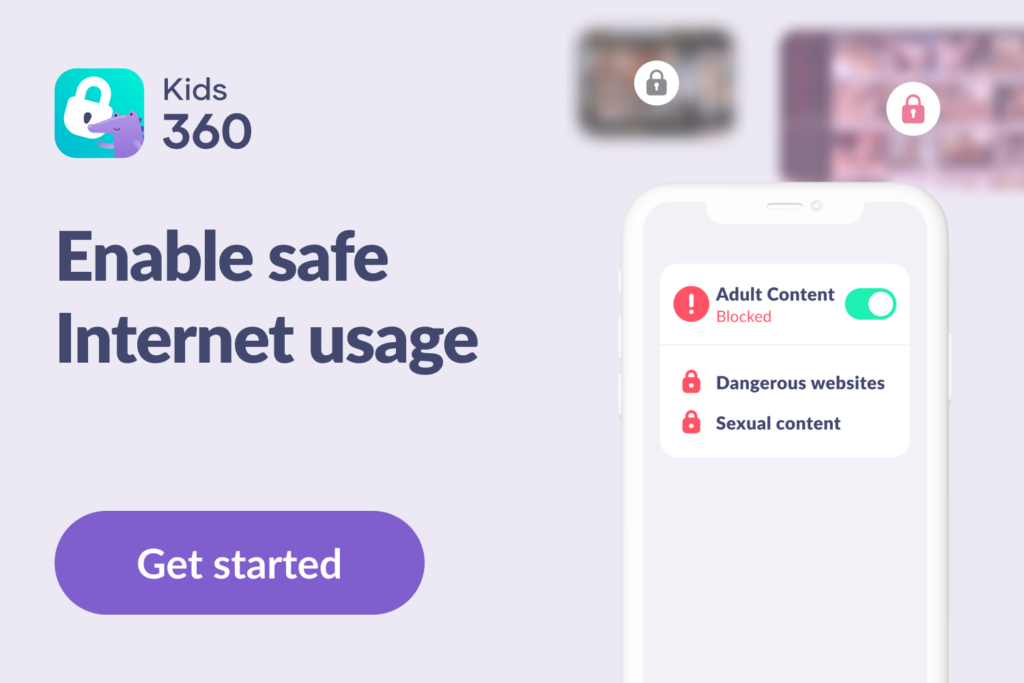
Staying vigilant about your child online shouldn’t be about constant security checks; it should be about communicating and building trust. Kids360 allows parents to monitor a child’s interests, particularly in relation to the topics they encounter through social media platforms.
With Kids360, parents can check whether a child’s safe Internet search history includes websites related to new slang or whether they are watching YouTube videos containing these keywords. This functionality allows family members to notice relevant interests or exposures early and discuss them effectively.
Setting Up a Balanced Digital Routine
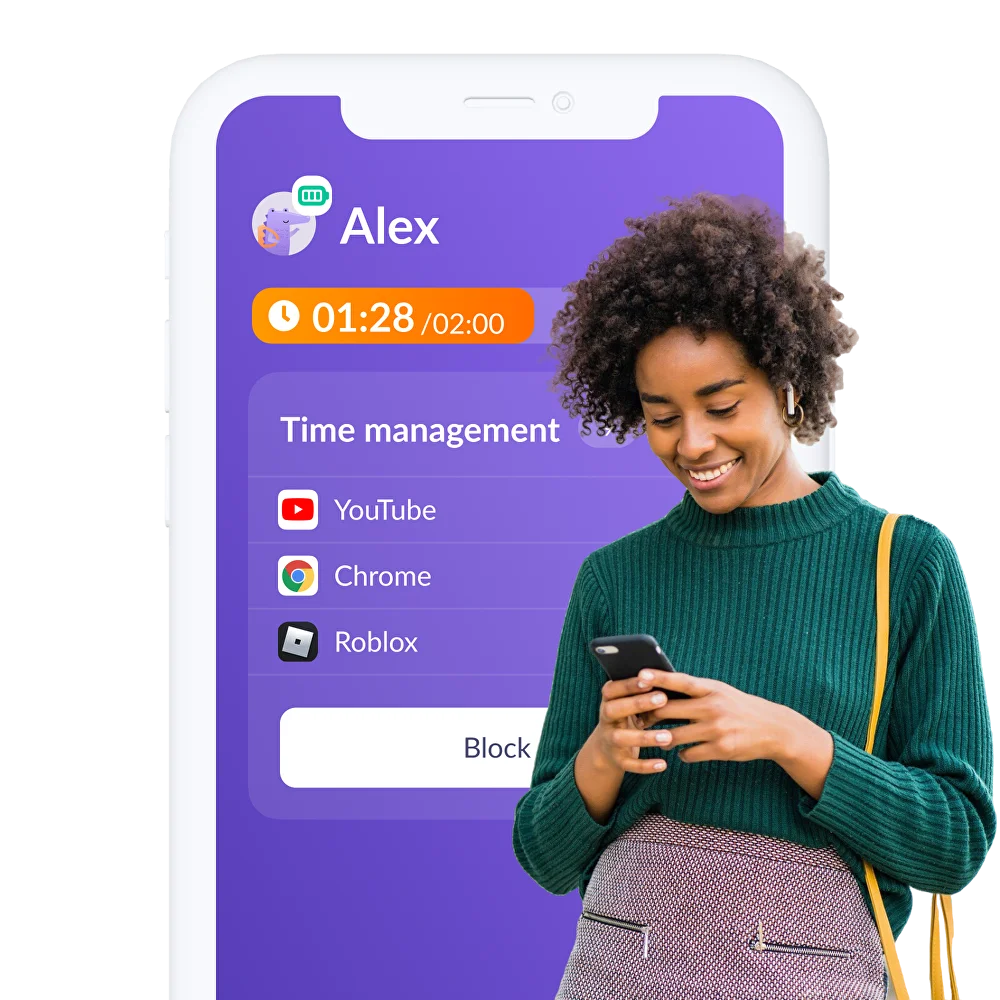
The app lets you set a phone time limit for overall device use and create daily schedules that block games during school or at bedtime. This ensures your child isn’t waiting for a text late into the night, which can enhance their sleep and daily routine. Parents can also review app usage statistics to see which apps their teens are using to engage with friends most often.
Engagement and Motivation
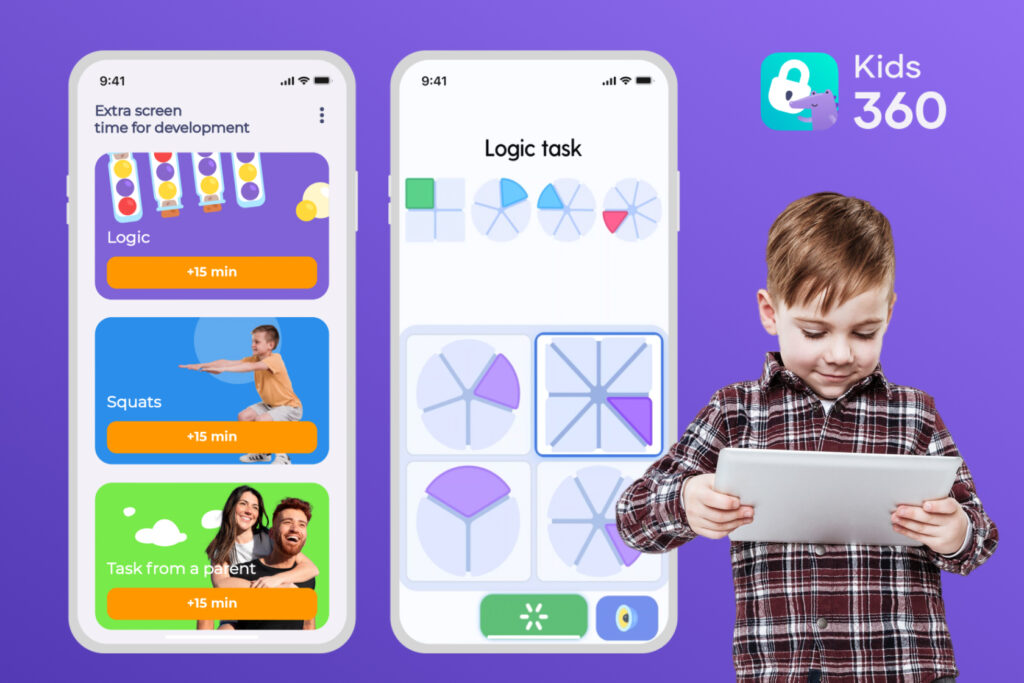
Kids360 motivates children towards self-improvement by turning screen time into a reward for beneficial activity. This approach replaces constant arguments with a clear, balanced system for the whole family.
- Cognitive Development: The app features over 4,400 challenges focused on logic, memory, and math. Solving five tasks earns five extra minutes of phone time, up to 20 minutes daily.
- Physical Effort: To keep teens from being constantly glued to screens, the AI Trainer uses the camera to reward five exercise repetitions with 10 minutes of screen time. Walking 7,000 steps adds an automatic five-minute bonus.
- Custom Parent Tasks: Parents can set chores like “clean your room” or “read for 20 minutes”. You decide the reward, typically ranging from 5 to 30 minutes, to help build discipline and responsibility.
Real-World Peace of Mind
Safety extends into the physical world through GPS geolocation, allowing you to see where kids are in real time when they are out with friends. If they do not answer your message, you can send a loud signal that will alert the child’s phone, even if it is in silent mode. This blend of control and care helps children grow while giving parents the peace of mind they need.
Download Kids360 on Google Play or the App Store today for free and explore how it can help you better understand and manage your child’s digital habits from day one.
Bridging the Digital Communication Gap
As slang like TMB continues to create new meanings, staying informed is the quickest way to connect with your child. Whether they are asking for a quick response or participating in a challenge, your ability to understand the context is vital.
By using tools like Kids360, you can continue to discuss and review digital habits effectively, ensuring your family stays safe and nostalgic memories are created in a healthy way.