What Does “ONG” Mean in Text? A Quick Guide for Parents


Keeping up with how people text today feels like trying to read a dictionary that updates every single day. One term that has taken over social media platforms and group conversations is “ONG”. While it might look like a simple typo of the more famous OMG, the ONG meaning is rooted in a specific desire to stress honesty and sincerity during an internet discussion.
For a parent, staying informed about these phrases is about more than just knowing the latest trend. It is also about making a real effort to understand a child’s digital life. Recognizing the ONG meaning allows for better communication and trust at home. It also helps you understand when a teen is trying to emphasize seriousness or truthfulness in a message.
Key Takeaways
- ONG stands for “On God,” a slang term used to swear that a statement is true.
- The abbreviation originated in hip hop culture and African American Vernacular English (AAVE) before it began to gain mainstream popularity.
- Unlike OMG, which expresses a surprise emotion, ONG is used to emphasize truth and agreement in a comment or reply.
- Teenagers use the term in various contexts, from school chats to heated Reddit threads, to promise they aren’t lying.
- Tools like Kids360 can help you better understand your child’s digital habits and interests to keep them safe.
Contents:
What ONG Means and Its Origin
To put it simply, ONG is an abbreviation of the phrase “On God”. In modern usage, it serves as a promise. When a user adds this to a post, they are essentially telling the other people involved that they swear their statement is the absolute truth.
The term didn’t just appear on TikTok or Instagram out of nowhere. It has deep roots in hip hop culture and the way people have spoken in conversations for years. Over time, social media platforms acted as a megaphone, turning a specific AAVE expression into a global abbreviation used by Gen Z and Gen Alpha alike.
ONG in Everyday Conversations
Because the term is so short, it fits perfectly into the fast-paced nature of texting. It is often used as a standalone reply to agree with a statement or as emphasis at the end of a sentence.
Here are some examples.
The Sincere Agreement:
- Friend A: “That school lunch was actually crazy bad today.”
- Friend B: “ONG I couldn’t even finish it.”
The Truth Swear:
- Parent: “Did you actually finish your chores before you start your game?”
- Teen: “I did, ONG.”
The Social Media Platforms Comment:
- User post: “This new movie is the best true story I’ve ever read.”
- Reply comment: “ONG best of the year.”
Common Misunderstandings or Variations

For parents, the difference between certain abbreviations and words can be confusing. It is easy to mistake ONG for OMG, but their meanings and usage are quite distinct. Here are some similar phrases.
| ONG | OMG | FR | ISTG |
|---|---|---|---|
“On God” | “Oh My God” | “For Real” | “I Swear to God” |
| Used to stress honesty or absolute agreement | Used to show surprise, shock, or crazy excitement | Used to ask if someone is telling the truth or to agree | A more intense way to promise something is true |
Why Parents Should Understand Teen Slang
Slang is more than just random words. It is a way for teenagers to express identity, build belonging, and communicate quickly within their social circles. However, when a parent doesn’t understand the phrases, it can lead to unnecessary concern or misunderstandings in conversations.
By learning the dictionary of the internet, you can find common ground during a conversation. It helps to explain that you are interested in their world. This makes it more likely they will come to you when things actually get crazy or difficult.
Understanding slang also helps parents notice changes in behavior. For example, certain phrases can signal stress, peer pressure, or risky interactions. Recognizing these cues early allows you to respond calmly instead of reacting too late.
At the same time, it gives you a chance to talk about boundaries, honesty, and online behavior in a way that feels relevant to your child’s real life—not just abstract rules.
How Kids360 Helps Parents Stay in the Loop
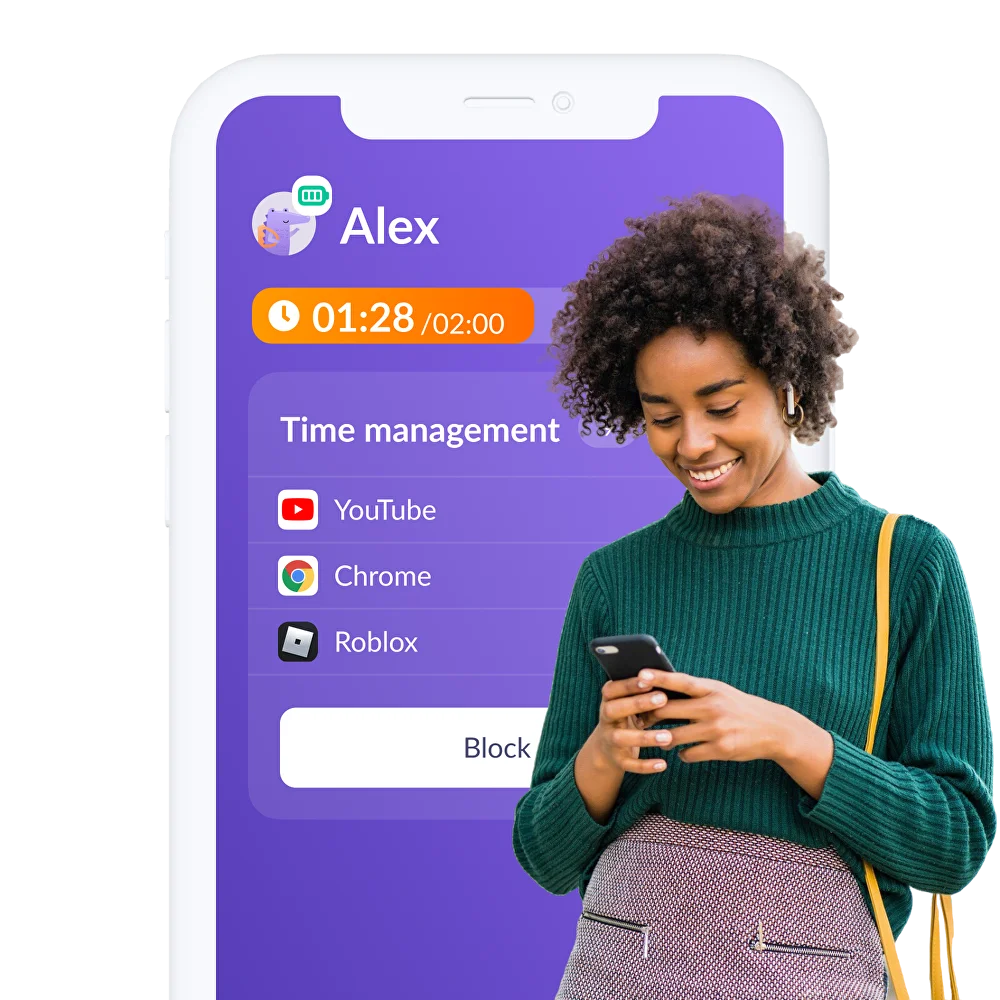
While understanding slang like ONG helps you interpret what your child says, tools like Kids360 help you understand what’s actually happening in their digital life. Monitoring a child’s digital activity is not about being a spy. It is about staying informed and supportive. The Kids360 app offers a balance of awareness and control, helping you support your child without being intrusive.
App and Screen Usage Awareness
Parents can use the parental dashboard to view which apps, like TikTok, Instagram, or Reddit, their teens use most. If a child is spending all day in a specific discussion, the reports will highlight this.
Safe Browsing and Content Control
The internet safety section of the app is great for noticing the usage of new slang or risky questions. Parents can:
- Check search history: See if the child is searching for phrases or words that suggest they are lying or encountering bad things.
- Monitor YouTube views: See if the videos they watch contain certain phrases, helping you stay informed about the trends they follow.
- Restrict risky sites: Use the app blocker to restrict 18+ content while still allowing them to connect with their school friends.
Location Tracking and Real-Time Safety
When teens go out or meet people they may have met online, real-time location tracking provides peace of mind. The Loud Signal feature is also available if you need to reach them immediately. This ensures that while they explore their sincerity and identity in the digital life, their physical safety is always a priority.
Download Kids360 today for free to start your journey of mindful digital parenting!
A Healthier Digital Relationship
Understanding the ONG meaning is just the start of a larger discussion about honesty and digital behavior. Slang will always evolve. While teens use the latest phrases, your true goal as a parent remains the same: safety and agreement.
By combining slang literacy with the tools provided by Kids360, you can find a balance between control and independence. Encourage your child to earn extra screen time by completing logic tasks or physical exercises. This turns their phone use into a productive part of their day.